

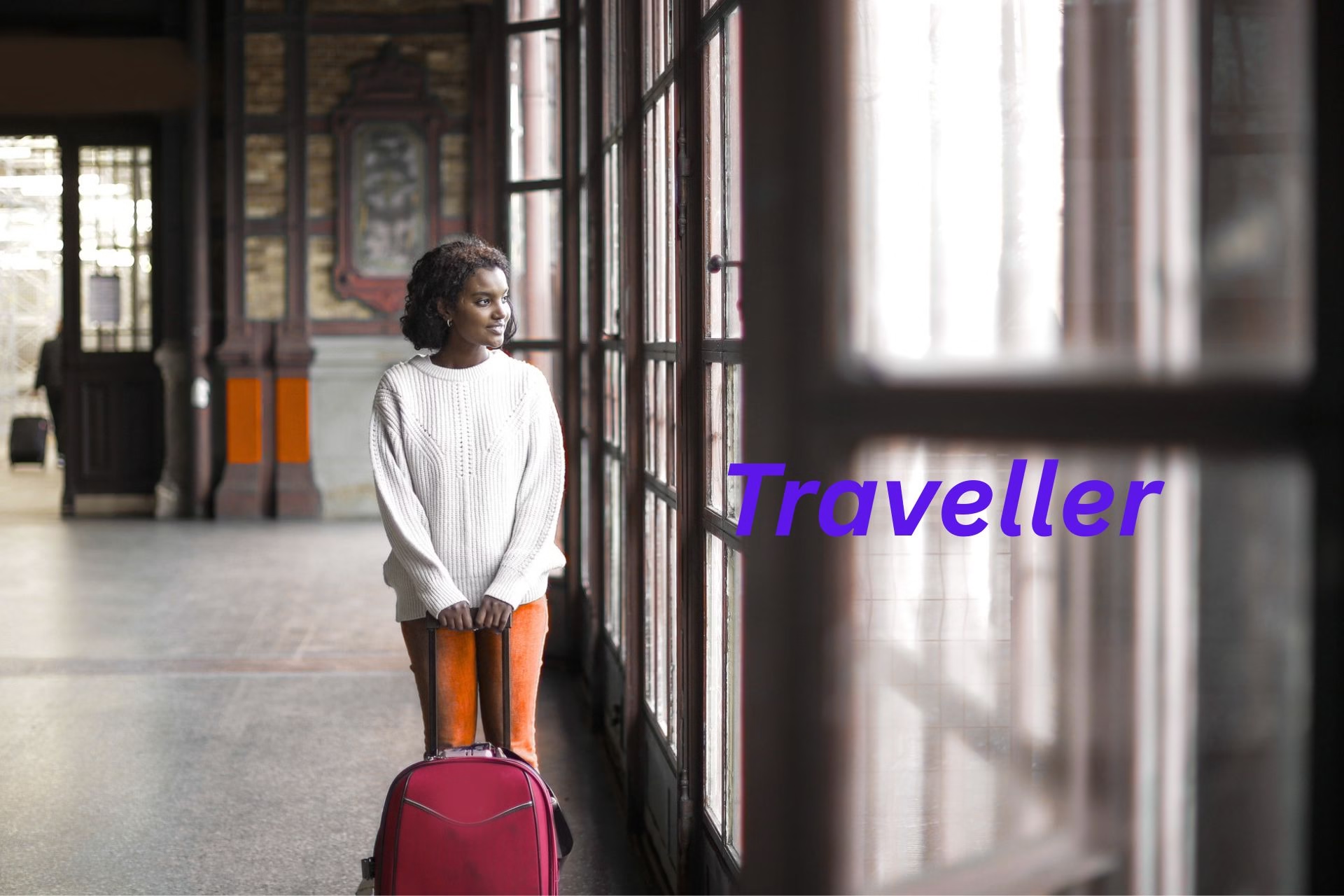
Travelling abroad as a Nigerian can feel like walking into an exam hall you didn’t fully prepare for. Many people will tell you, “Just have your visa and passport, you’re good to go.” But if you’ve ever stood in front of an immigration officer at the airport, you already know it’s not that simple.
That moment when they start asking questions, flipping through your documents, and typing on their system can make even the most confident person nervous. Some Nigerians get cleared in seconds, while others are pulled aside for further questioning. The difference is not luck. It is preparation, awareness, and understanding what immigration officers are actually looking for.
This guide will break it down in a simple, honest way, using real-life Nigerian experiences so you can travel with confidence and avoid unnecessary stress.
Why Immigration Checks Are Strict for Nigerians
Let’s be real. Nigerians face stricter scrutiny when travelling abroad. This is not to discourage you, but to help you prepare properly.
Many countries are concerned about issues like visa overstaying, illegal work, and asylum claims. Because of this, immigration officers are trained to carefully assess travellers from countries where these issues are common.
But here’s the truth most people don’t tell you: immigration officers are not there to frustrate you. Their job is simply to confirm that you are a genuine traveller who will obey the rules of your visa.
Once you understand this, everything becomes clearer.
The First Thing They Check: Your Travel Purpose
The number one thing immigration officers want to confirm is simple: why are you entering the country?
It sounds obvious, but many Nigerians fail at this stage because their answers are not clear or consistent.
If you are travelling for tourism, you should be able to confidently explain your plan. Not in a long story, but in a simple and direct way.
For example, saying:
“I’m visiting London for two weeks to see tourist attractions and relax.”
is far better than:
“I just want to travel and see how things are there.”
The second answer raises suspicion because it sounds vague.
If you are going for studies, your answers must align with your admission letter, school details, and course. If it’s a job, your work permit and employer details must match your explanation.
Proof That You Will Return to Nigeria
This is one of the biggest factors immigration officers consider, especially for Nigerians.
They want to be sure you will not overstay your visa.
So how do you prove that?
You must show strong ties to Nigeria. This can include your job, business, family, or ongoing commitments.
For example, if you are employed, your employment letter should clearly state your role, salary, and approved leave period.
If you run a business in Onitsha, Aba, or Lagos, you should have proof like business registration, invoices, or even pictures showing your operations.
If you are a student, your school ID and proof of enrollment can help.
The key is simple: you must give them a reason to believe you have something important waiting for you back home.
Your Financial Capacity Matters More Than You Think
Another major thing immigration officers check is your ability to fund your trip.
This is where many Nigerians make mistakes.
It is not just about having money in your account. It is about consistency and credibility.
For example, if your bank statement suddenly shows a huge deposit a few days before travel, it raises suspicion. They may assume the money is not genuinely yours.
A better approach is to maintain a steady account balance over time. Your financial history should tell a believable story.
If someone is sponsoring you, your documents must clearly show the relationship and include a proper sponsorship letter along with the sponsor’s financial proof.
Your Documents Must Tell One Consistent Story
One mistake that causes serious problems is inconsistency.
Your visa application, travel documents, and answers at the airport must all match.
If your visa says you are visiting for tourism but you start talking about job opportunities, that’s a red flag.
If your hotel booking says one location but you mention a different place, it creates doubt.
Immigration officers are trained to notice these small inconsistencies.
Always review your documents before travelling so everything aligns perfectly.
Your Confidence and Body Language
This part surprises many people.
Immigration officers don’t just listen to what you say. They also observe how you say it.
If you appear overly nervous, avoid eye contact, or give shaky answers, it can raise suspicion.
This doesn’t mean you need to act overconfident. Just be calm, honest, and straightforward.
Answer only what you are asked. Do not volunteer unnecessary information.
A Real-Life Nigerian Scenario
Let’s look at a realistic example.
Chinedu, a young businessman from Onitsha, applied for a UK visitor visa. He had all the documents, including a bank statement with a large balance.
At the airport, when asked about his trip, he said:
“I just want to check things out and maybe look for opportunities.”
That single statement changed everything.
The officer became suspicious because his visa was for tourism, not business exploration. He was taken aside for further questioning.
After checking his documents and inconsistencies in his explanation, he was denied entry and sent back to Nigeria.
Now compare that with Ada, a fashion designer from Lagos.
When asked, she said:
“I’m visiting for two weeks. I have bookings to visit fashion stores and attend a styling workshop.”
Her documents supported her story, and she answered confidently.
She was cleared in minutes.
The difference is clear: clarity, consistency, and confidence.
What Most Nigerians Get Wrong
Many Nigerians believe that once they get a visa, they are guaranteed entry. That is not true.
A visa only allows you to travel to the country. The final decision is always made at the point of entry.
Another mistake is over-explaining. Some people talk too much out of fear and end up contradicting themselves.
Also, many travellers rely on borrowed money to impress immigration officers. This often backfires because the financial history does not look natural.
Common Mistakes Nigerians Make
One common mistake is travelling without proper knowledge of your own documents. Some people submit applications through agents and don’t fully understand what was written.
Another issue is fake or manipulated documents. Immigration officers are highly trained and can detect inconsistencies quickly.
Some travellers also fail to prepare for basic questions like where they will stay, how long they will stay, and what they plan to do.
These are simple questions, but poor answers can lead to serious consequences.
My Honest Advice
If you truly want to travel abroad without issues, focus on being genuine.
Do not try to impress immigration officers with fake stories or borrowed money. It is better to present a simple, honest case than a complicated, unrealistic one.
Prepare yourself like you are going for an interview.
Go through your documents, practice your answers, and understand your travel purpose clearly.
If you are not ready, it is better to wait and prepare properly than to rush and face rejection or deportation.
Final Thoughts
Travelling abroad as a Nigerian is not impossible or unfair. It just requires proper preparation and honesty.
Immigration officers are not your enemies. They are simply doing their job. If your documents are consistent, your purpose is clear, and your story makes sense, you have nothing to fear.
Before your next trip, take time to prepare properly. Understand your documents, be clear about your plans, and present yourself confidently.
At the end of the day, the goal is simple: prove that you are a genuine traveller.
Stay connected with Krain Naija News for more real-life travel tips, visa guidance, and opportunities designed to help Nigerians move smarter and succeed globally.